To Buy Lariam Online Visit Our Pharmacy ↓
 Lariam and Mental Health Concerns Explained
http://patersoncounseling.org/images/photoalbum/jpg/topamax.html
What Lariam Is and Why It’s Used
Lariam is a prescription antimalarial medicine used to help prevent malaria when people travel to regions where mosquito bites can spread the disease. For many travelers, it can seem like a practical shield: one tablet, a planned schedule, and added protection against a serious infection. Yet its role is not limited to convenience, because the choice to use it depends on where someone is going, how long they will stay, and whether other options fit better.
Doctors often turn to it when malaria risk is high and other medicines are not suitable. Still, its use can be a separate decision for each patient, especially when mental health history is part of the picture. That is why careful planning matters, and why patients are encouraged to discuss symptoms, past reactions, and concerns before starting treatment.
| Travel medicine | Personal risk review |
The Mental Health Risks Linked to Lariam
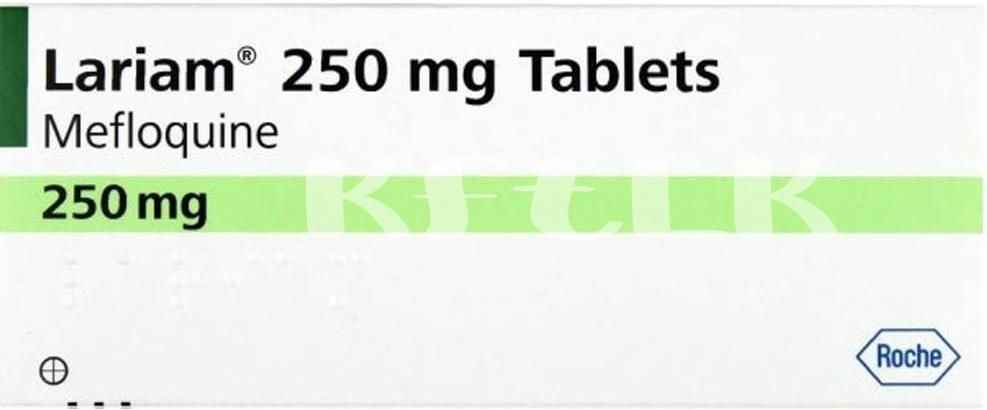
Lariam can trigger a troubling range of psychiatric effects, from vivid nightmares and intense anxiety to mood swings, confusion, and paranoia. For some people, these changes appear quickly, turning a normal trip or deployment into a frightening mental strain. The risk is not just discomfort; in rare cases, lariam has been linked to depression, panic attacks, and even suicidal thoughts, making early attention essential.
What makes this especially concerning is how quietly the symptoms can build. A traveler may first feel unusually restless or detached, then notice that sleep, concentration, and emotions are no longer stable. Because these reactions can deepen fast, doctors urge patients and families to treat any new mental changes as a warning sign, not something to ignore or wait out.
Early Warning Signs Patients Should Never Ignore
For some travelers, the first clues appear quietly: sleeplessness, restless thoughts, or a sudden wave of anxiety after starting lariam. These shifts can seem minor at first, but they may signal something more serious if they grow stronger.
If confusion, vivid dreams, depression, or unusual mood changes appear, do not wait. A doctor should be contacted promptly, because early action can prevent the symptoms from becoming dangerous and help keep treatment safe.
Who Faces Higher Risk of Psychiatric Side Effects

People with a history of depression, anxiety, bipolar disorder, or psychosis may be more vulnerable when taking lariam. In some cases, stress, sleep loss, or past trauma can make reactions more intense, so a careful medical review matters before treatment begins.
Those with a family history of psychiatric illness, or anyone who has struggled after malaria medicines before, should be watched closely. Teh risk is not the same for everyone, but when warning signs appear, patients and doctors need to act quickly and reassess the plan.
How Doctors Weigh Benefits Against Mental Health Concerns
Doctors usually start by asking about a patient’s history with anxiety, depression, or sleep problems before considering lariam. They know that a malaria threat is real, yet they also weigh whether the medicine could intensify hidden psychiatric symptoms. That balance is often personal, not automatic.
If travel is unavoidable, the decision may depend on exposure risk, duration, and previous drug tolerence. A clinician may explain that monitoring, follow-up, and prompt reporting of mood changes are just as neccessary as the prescription itself. When concerns are high, another prevention plan may be safer.
| Benefit | Potential mental health concern |
| Strong malaria protection | Anxiety, insomnia, mood shifts |
Safer Malaria Prevention Options to Consider
When malaria prevention is needed, many travellers and clinicians look beyond Lariam to options with a more favorable mental health profile. Drugs such as atovaquone-proguanil or doxycycline may be preferred depending on the destination, length of stay, and medical history. Teh right choice often balances effectiveness, side effects, and how well a person can follow the dosing schedule, because prevention only works when it is taken consistently and correctly.
Non-drug protection matters too: insect repellent, long sleeves, bed nets, and screened rooms can greatly reduce exposure to mosquito bites. A clinician can help tailor a plan that fits the travel route and personal risks, especially for anyone with past anxiety, depression, or sleep problems. Reliable guidance can be found at CDC malaria prevention drugs and WHO malaria fact sheet.
https://cdhc.org/wp-content/uploads/2024/07/png/celexa.html https://fromaddictiontorecovery.com/Sweden/png/colchicine.html