To Buy Lopressor Online Visit Our Pharmacy ↓
 Lopressor and Heart Health: Key Facts
https://newnormalsamecancer.org/where-to-go/wp-content/uploads/2025/01/png/zocor.html
What Lopressor Is and How It Works
Lopressor is a brand name for metoprolol tartrate, a beta-blocker that helps the heart work more calmly. By blocking certain stress signals, it slows the heartbeat and lowers the force of each contraction, which can reduce strain on the cardiovascular system. Doctors often use it when the heart needs a steadier rhythm and less pressure.
This action can make the heart more efficient, especially when blood pressure or chest discomfort is a concern. As the workload drops, oxygen demand may also decrease, helping the body feel more balanced.
| Key effect | Slower heart rate |
| Result | Less cardiac strain |
When Doctors Prescribe Lopressor for Heart Health
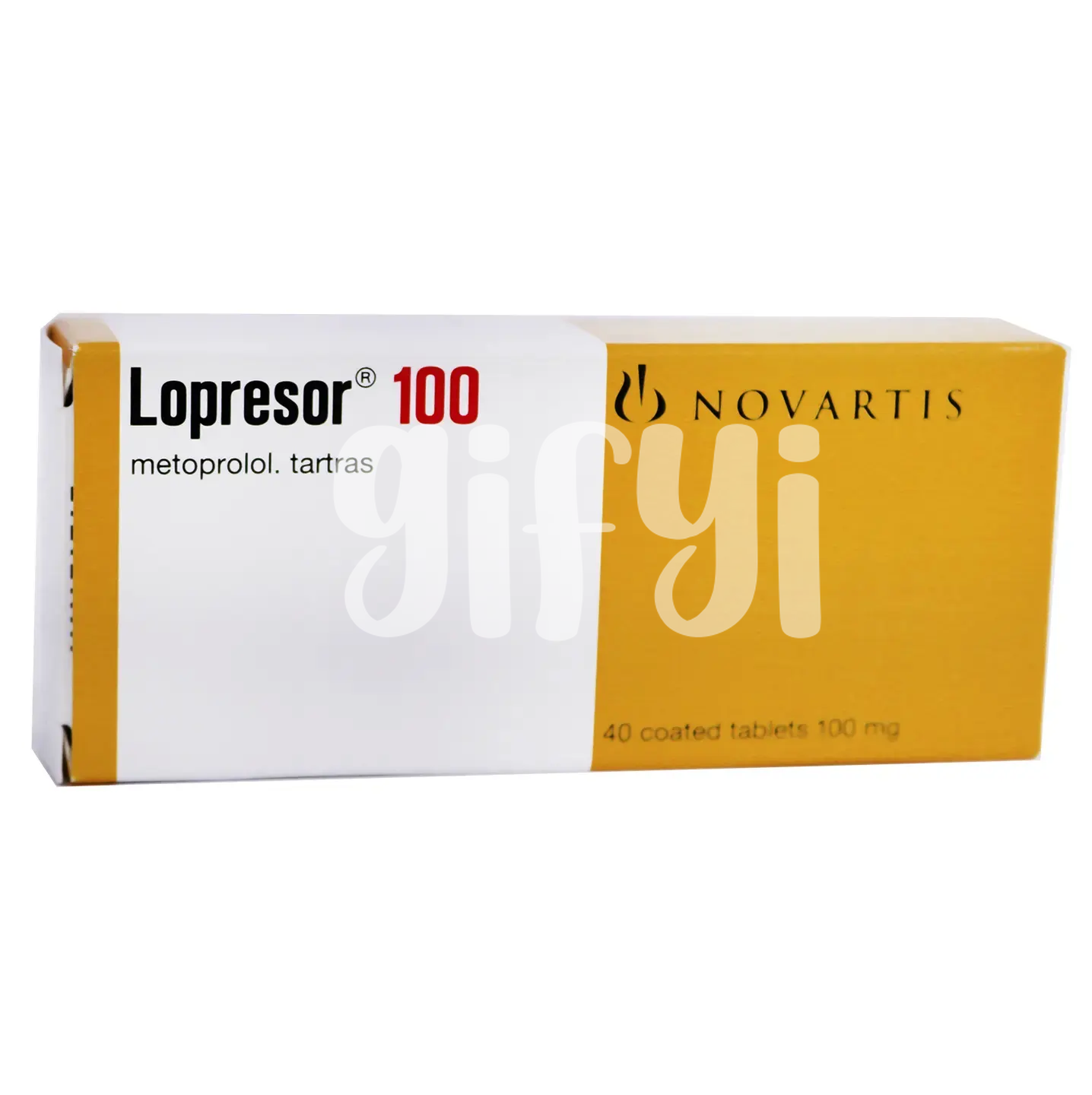
Doctors may prescribe lopressor when the heart needs a calmer rhythm and less strain. It is often used after a heart attack, for high blood pressure, or to help control chest pain and certain fast heartbeats. By slowing the heart and reducing its workload, this medicine can support better cardiovascular stability.
For many people, lopressor becomes part of a broader plan to protect long-term heart health. Physicians may choose it when they want to lower pressure on the arteries and ease symptoms that interfere with daily life. The goal is to improve comfort while reducing the risk of future complications.
Benefits of Lopressor for Blood Pressure Control
Lopressor can help steady blood pressure by slowing the heart and reducing how hard it works. When the heart pumps with less force, pressure inside the arteries often falls, which may lower strain on the blood vessels and the heart itself. For many people, this creates a calmer rhythm that supports better long-term cardiovascular health.
That steadier control can also make daily symptoms feel less disruptive. Some patients notice fewer pounding sensations, less chest tightness, and improved comfort during activity or rest. By helping keep blood pressure in a safer range, lopressor may reduce the risk of complications linked to uncontrolled hypertension.
Its value is strongest when taken as prescribed and paired with healthy habits. Regular monitoring, balanced meals, and movement can work alongside the medicine to support consistent results.
Common Side Effects and Warning Signs
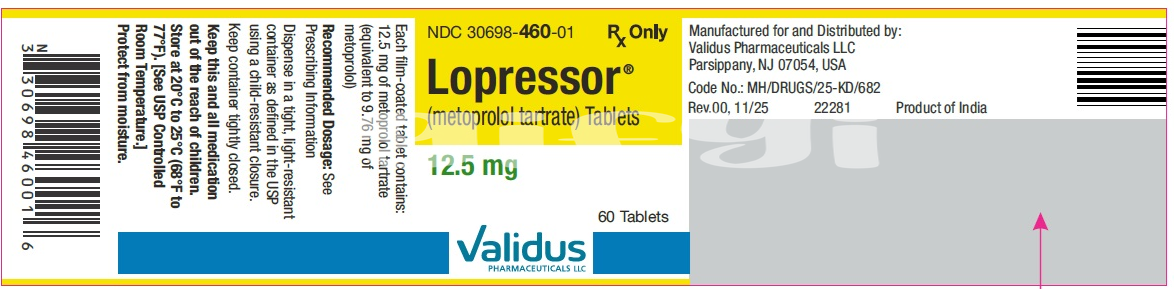
Lopressor can cause mild effects that many people notice early, such as tiredness, dizziness, or a slower heartbeat. Some may also feel cold hands or notice vivid dreams. These symptoms are often manageable, but they should be tracked, especially when starting treatment or adjusting the dose.
Most side effects fade as the body adapts, yet certain warning signs need prompt attention. Trouble breathing, swelling of the ankles, fainting, or a very irregular pulse may signal a serious reaction. Chest pain that worsens should never be ignored.
If Lopressor makes you unusually weak or lightheaded, avoid driving until you know how it affects you. Standing up slowly can help reduce dizziness, especially after meals or in the morning.
Keeping a simple symptom log can help your doctor decide whether the dose is right. Quick communication about new or worsening changes supports safer heart care.
Safe Use Tips for Daily Lopressor Dosing
Take Lopressor exactly as prescribed, at the same time each day, to help keep your heart rate and blood pressure steady. If you miss a dose, take it when you remember unless it is close to the next one; never double up. Swallow the tablet with water, and follow your doctor’s directions about food, since Lopressor may be taken with or after meals for better tolerance.
A simple routine can make daily dosing easier: use a phone reminder, a pill box, or tie the dose to breakfast or bedtime.
| Tip | Why it helps |
| Same time daily | More consistent effect |
Key Drug Interactions and Precautions to Know
Lopressor can interact with other medicines that slow the heart, lower blood pressure, or affect rhythm, so a full medication review matters before treatment begins. Patients should mention prescription drugs, over-the-counter products, and herbal supplements.
Alcohol may intensify dizziness or fatigue, while diabetes medicines can mask signs of low blood sugar. Some cold remedies and NSAIDs may also weaken blood pressure control, making monitoring especially important.
People with asthma, severe circulation problems, or certain conduction disorders may need extra caution, since Lopressor can worsen breathing issues or slow the pulse too much. Never stop it suddenly without medical advice.
Regular checkups help track blood pressure, heart rate, and side effects. If fainting, chest pain, or extreme shortness of breath appears, seek medical help promptly.
https://cleadoc.com/wp-content/uploads/2025/07/png/buy-zofran.html http://culia.net/culiakiclinic/html/tizanidine.html