To Buy Tetracycline Online Visit Our Pharmacy ↓
 Tetracycline and Acne: Benefits and Risks
https://plasticsurgery90210.com/wp-content/uploads/2024/07/png/mounjaro.html
How Tetracycline Targets Acne-causing Bacteria
Tetracycline works by quietly starving acne bacteria, limiting their ability to multiply and trigger inflammation in pores. It helps calm the skin’s angry cycle, where oil, bacteria, and swelling feed one another.
Dermatologists often choose it when breakouts are persistent, painful, or widespread, because it can reduce redness and deep lesions over time. This makes the skin look less inflamed and feel less tender.
For many patients, the benefit is steady control rather than overnight results. Paired with a good skincare routine, it can help restore balance and support clearer skin.
| Benefit | Effect |
Why Dermatologists Prescribe It for Breakouts
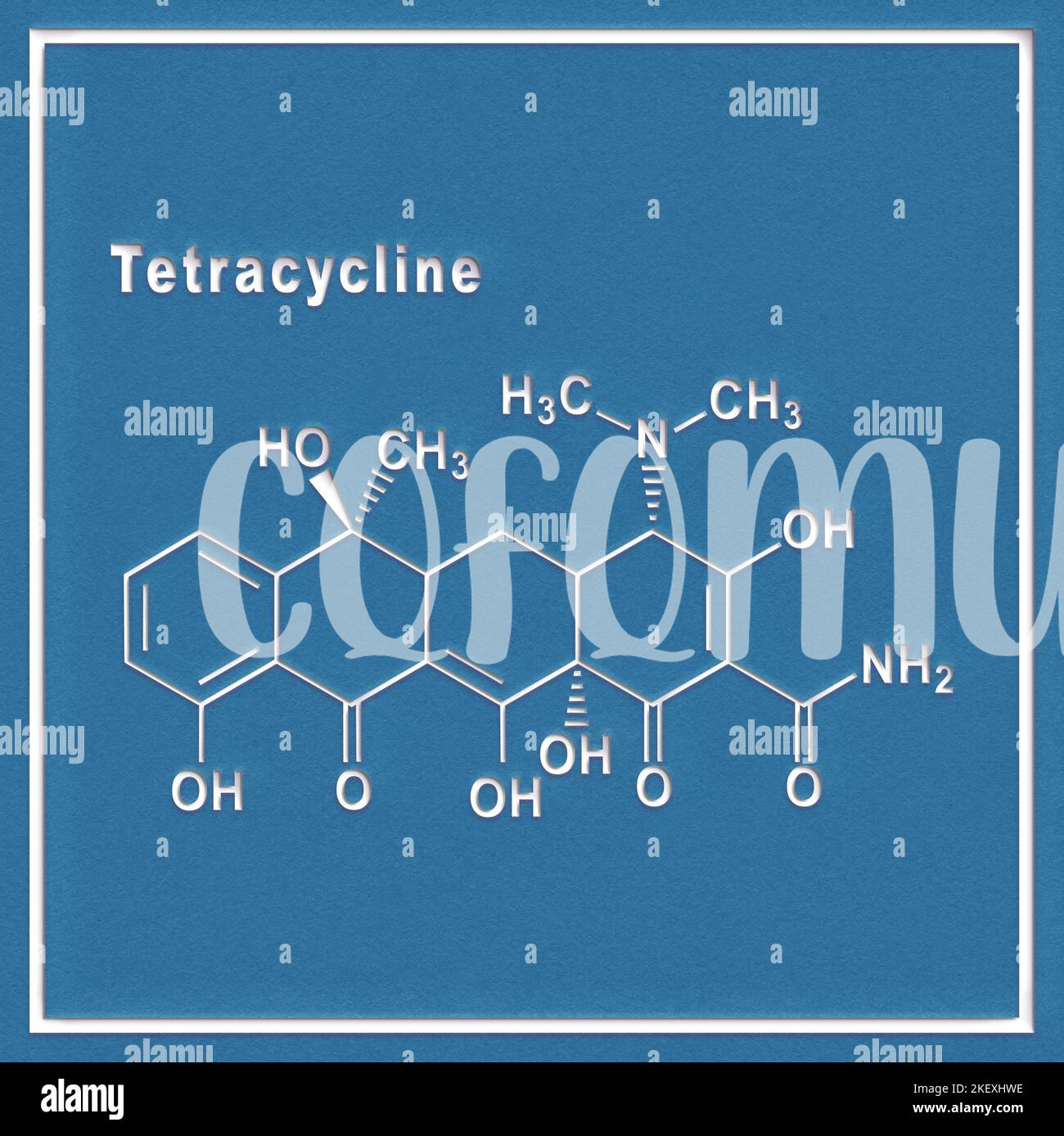
Dermatologists often prescribe tetracycline when acne is inflamed, widespread, or stubborn enough that creams alone are not enough. It can calm the skin from the inside, reducing the bacteria and irritation that keep breakouts active, and giving patients a clearer path forward.
For many people, this treatment is chosen because it can work alongside a simple skincare routine and other medicines, creating a more balanced approach. It is not a quick fix, but it may help break the cycle of repeated flare-ups and restore confidence.
Common Forms and Typical Treatment Approaches
Tetracycline is usually taken as a pill, often once or twice a day, so treatment fits into a normal routine. Teh dosage and schedule depend on acne severity, age, and how the skin responds. Doctors may pair it with a topical retinoid or benzoyl peroxide to boost results and reduce the chance of resistance.
Some people start seeing fewer inflamed bumps within a few weeks, though steady use is important. Since acne can flare and fade, dermatologists often adjust the plan rather than keep the same dose forever. This helps the medicine work more effectively while limiting unnecessary exposure.
There are different tetracycline options, and each has its own timing and absorption rules. Most should be taken with water, away from dairy, antacids, or iron, because these can reduce absorption. That simple habit can make a noticeable difference.
For many patients, the best approach is a balanced one: clear instructions, regular follow-ups, and realistic expectations. With the right form and dosing plan, tetracycline can become a practical part of acne control while the skin gradually heals.
Key Benefits for Moderate to Severe Acne

For many people with stubborn breakouts, tetracycline can feel like a turning point. By calming the bacteria that fuel inflammation, it helps reduce painful bumps, swelling, and the deep redness that can make acne feel harder to control.
Dermatologists often choose it when over-the-counter products are no longer enough, because it can support clearer skin while other treatments continue working. The improvement is usually gradual, but for moderate to severe acne, that steady progress can restore confidence and make daily skin care far less frustrating.
Side Effects, Sensitivities, and Drug Interactions
Taking tetracycline can feel straightforward at first, but the body often tells a different story. Nausea, stomach upset, and sunlight sensitivity may appear early, so many people adjust meals and daily habits to stay comfortable. Some medicines and minerals can reduce absorption, making timing important.
For skin care, the treatment may still be effective, yet small reactions can become noticable if the routine is rushed. Doctors often advise spacing doses from antacids, iron, or calcium, because these can interfere. That simple habit can protect the medicine’s strength and help results stay steady.
| Possible reaction | Practical note |
| Upset stomach | Take with food if advised |
| Sun sensitivity | Use sunscreen and cover up |
If unusual symptoms occur, it is wise to act early rather than wait. A quick call to a clinician can prevent a small issue from becoming a larger one, especially when tetracycline is paired with other prescriptions or supplements.
Resistance Risks and Smarter Long-term Use
Using tetracycline for acne can calm flare-ups, but bacteria can slowly learn to survive it if the drug is used too long or too often. That is why dermatologists usually pair it with benzoyl peroxide or a topical retinoid, reducing the chance that resistant strains will spread. Sticking to the prescribed dose also matters, because skipping pills or stopping early can let stronger bacteria return. NCBI Bookshelf American Academy of Dermatology
Smarter long-term use means treating acne with a clear plan instead of relying on antibiotics as a quick fix. Many doctors limit oral tetracycline courses to the shortest practical period, then shift care toward maintenance options that keep pores clear and inflammation low. This approach protects future treatment choices and supports steadier skin improvement, especially when breakouts are stubborn.
Patients can help by taking the medicine exactly as directed, avoiding unnecessary repeat courses, and following up if acne is not improving. When treatment is monitored closely, tetracycline can still be effective without becoming overused. The goal is not just clear skin today, but preserving this option for the times it is truly needed tomorrow.
https://draconatural.com/wp-content/uploads/2025/05/png/valtrex.html https://johnfishdds.com/wp-content/uploads/2023/04/jpg/propecia.html